Civics & Economics in Action


Civics & Economics in Action explores civic life through the lens of economics – helping students see the invisible forces shaping political decisions.

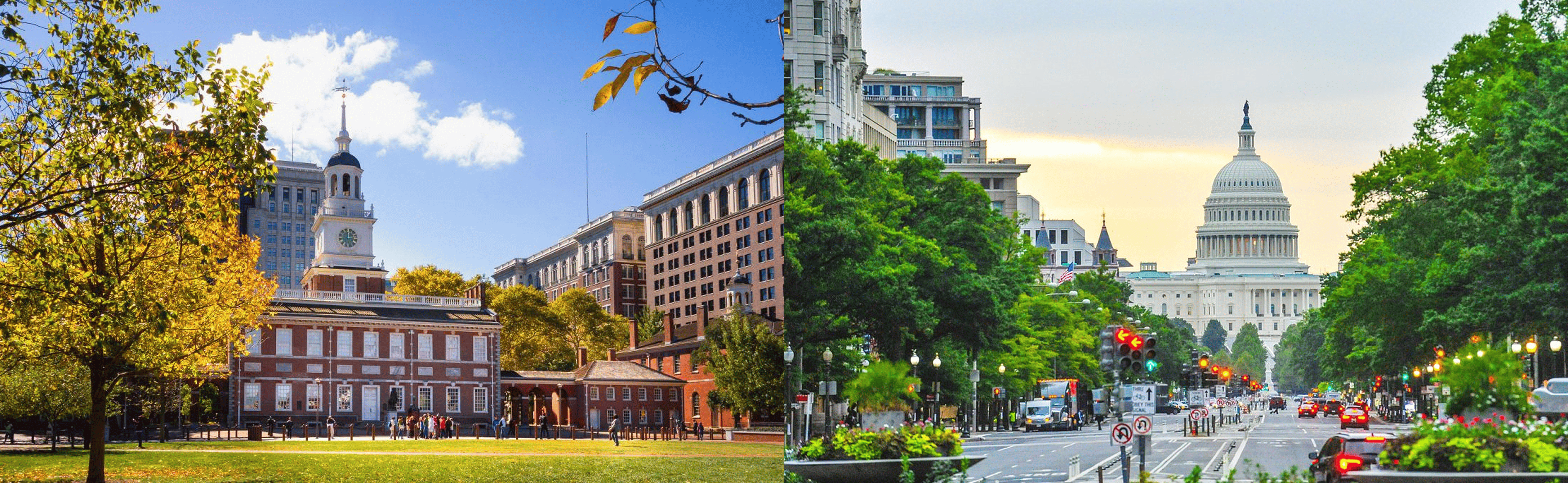
Philadelphia is where the American experiment began. As the birthplace of the Declaration of Independence and the Constitution, the city offers a living classroom for exploring the ideas that shaped our system of self-government. In this milestone year – the 250th anniversary of the signing of the Declaration of Independence – students will study civics and economics in the very place where debates about liberty, rights and governance first took form. From discussions of natural rights and the rule of law to the economic foundations of political freedom, Philadelphia provides powerful historical context for understanding American’s founding principles.


Washington, DC brings those founding ideas into the present. As the nation’s capital, DC offers a front-row view of how economic reasoning shapes modern policymaking, from Congress and the courts to federal agencies and regulatory institutions. Students will connect classroom lessons to real-world governance – examining how incentives, trade-offs, and unintended consequences influence today’s public policy decisions. Studying in DC allows students to see how the constitutional framework designed over 250 years ago continues to guide democratic decision-making.


Core Topics Include:

  • Scarcity, choice, and trade-offs
  • Incentives and unintended consequences
  • Markets and voluntary decision-making
  • Government action and collective decision-making
  • Property rights, public goods, and externalities
  • Separation of powers, checks and balances, and federalism
  • Rule of law and individual rights
  • Budgeting, taxation, and fiscal policy
  • Monetary policy and the role of central banks
  • Antitrust, competition, and regulation
  • Social welfare programs and equity considerations
  • Public choice theory and bureaucratic behavior
  • Rational ignorance and democratic participation
  • International trade and globalization


Leadership topics are framed through the effective Hero’s Journey framework.  Our goal is to improve participants ability to work and lead teams and to connect responsible leadership and the economic way of thinking.


  • The program fee covers:
    • All academic instruction and program materials
    • On-campus housing for the full week
    • Meals provided through the host university dining facilities
    • Program activities, guest speaks, and leadership programming


Please note - transportation costs to and from the program site are the responsibility of the student


Generous scholarship support is available to make participation possible for a wide range of students. Scholarships are awarded through a holistic review process and are not based on financial need alone

  • Scholarships can provide up to a 75% reduction in tuition
  • Average scholarship awards range from $500-$1,500
  • Awards consider academic engagement and interest in civic leadership
  • Scholarship decisions are made at the time of admission

CEA is open to current high school sophomores and juniors (15-17 years old). Students come from a wide range of academic backgrounds.

No. The program does not require any prior coursework in economics or civics. Curiosity and motivation matter far more than previous experience.

We look for students who are active n their campus or in their community, demonstrate maturity and intellectual curiosity, and care deeply about civic life.

Applicants must submit a high school transcript including all completed and in progress coursework, and two short personal insight questions.

The Early Deadline is April 1st (which qualifies for a $100 early decision discount) and the final deadline is May 20th.

Admissions decisions are sent by email on a rolling basis within three weeks of an application being marked complete.

Summer 2026 programs are offered at the University of Pennsylvania (June 29-July 5) and American University (July 20-26). Students live on campus for the full duration of the program.

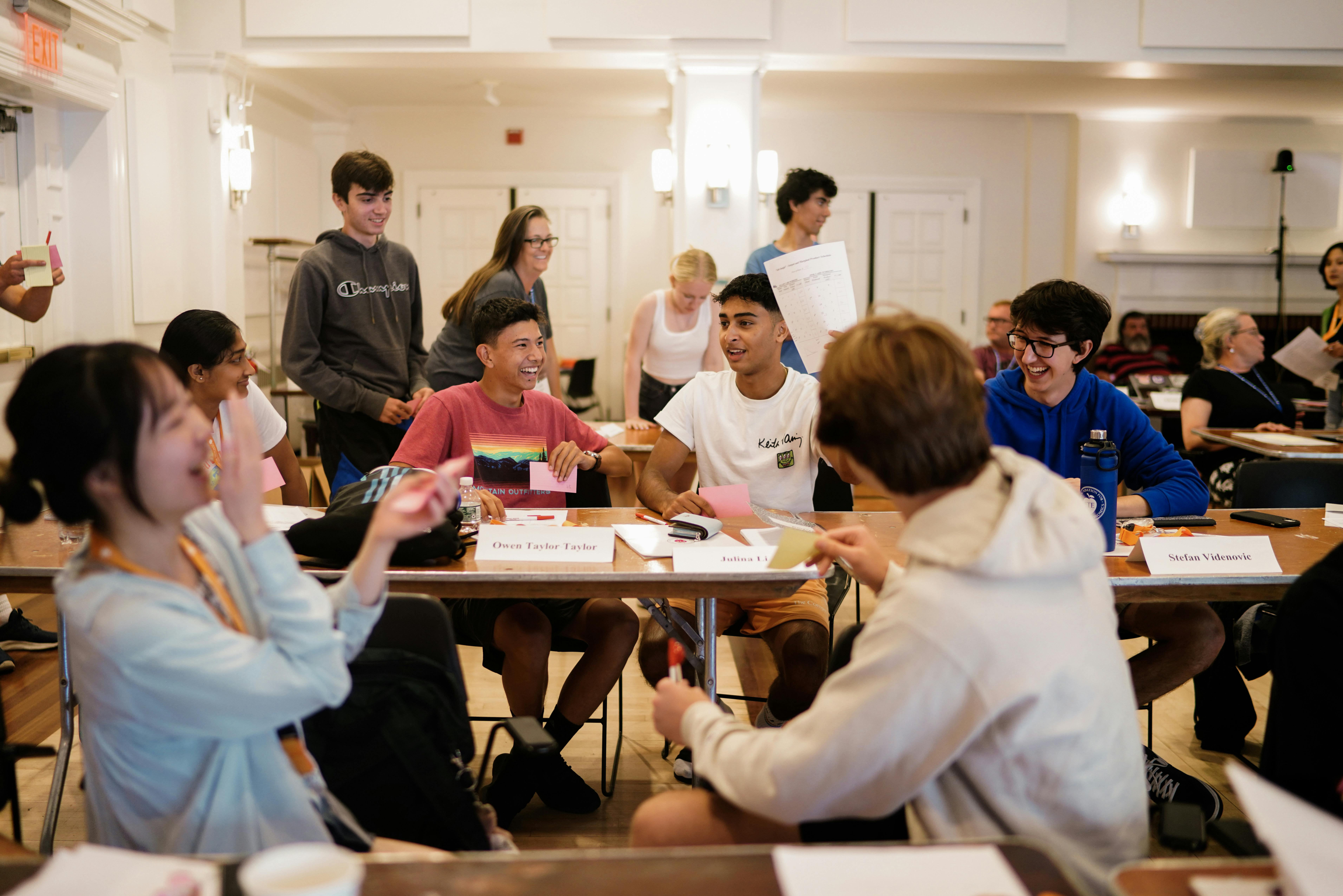
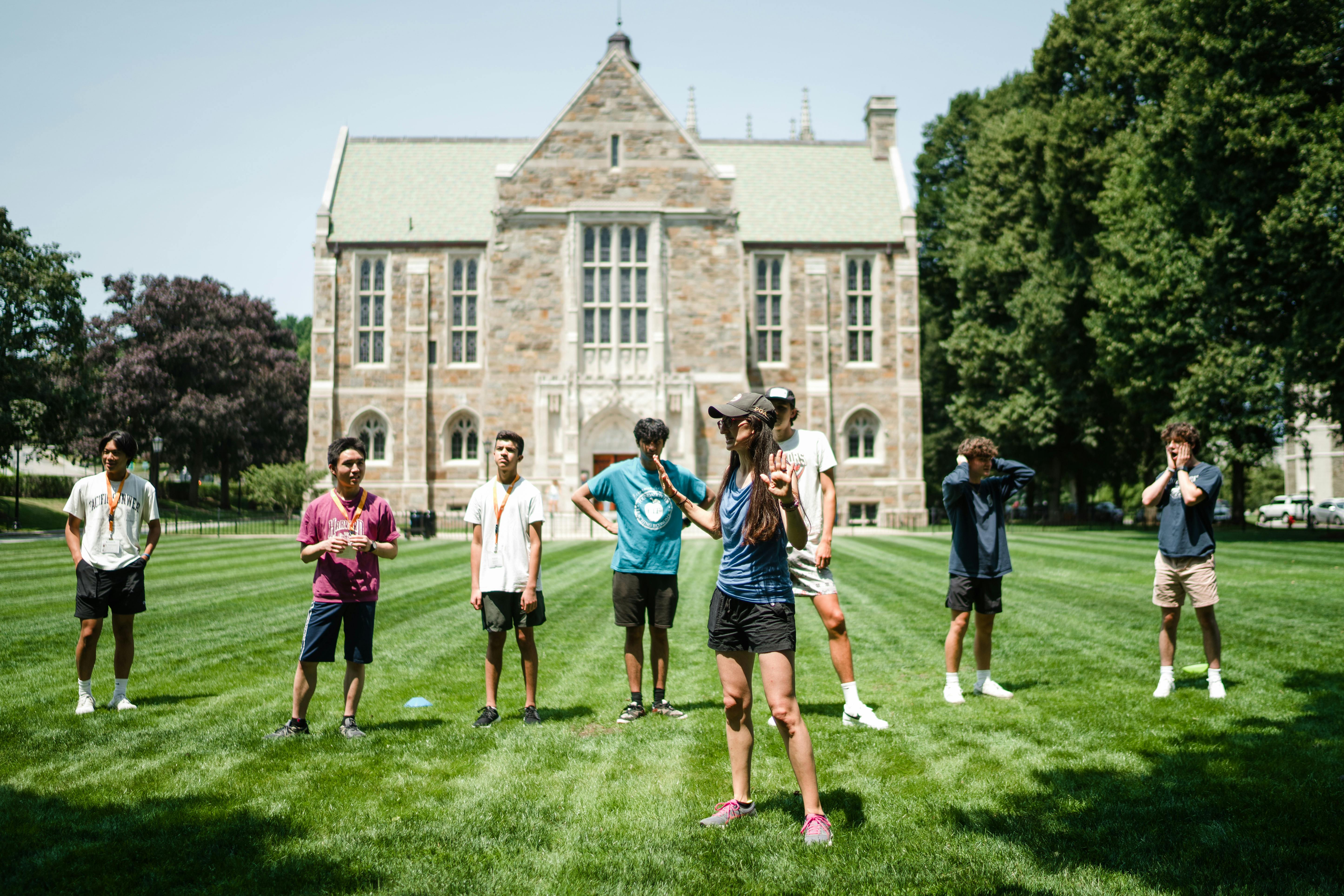
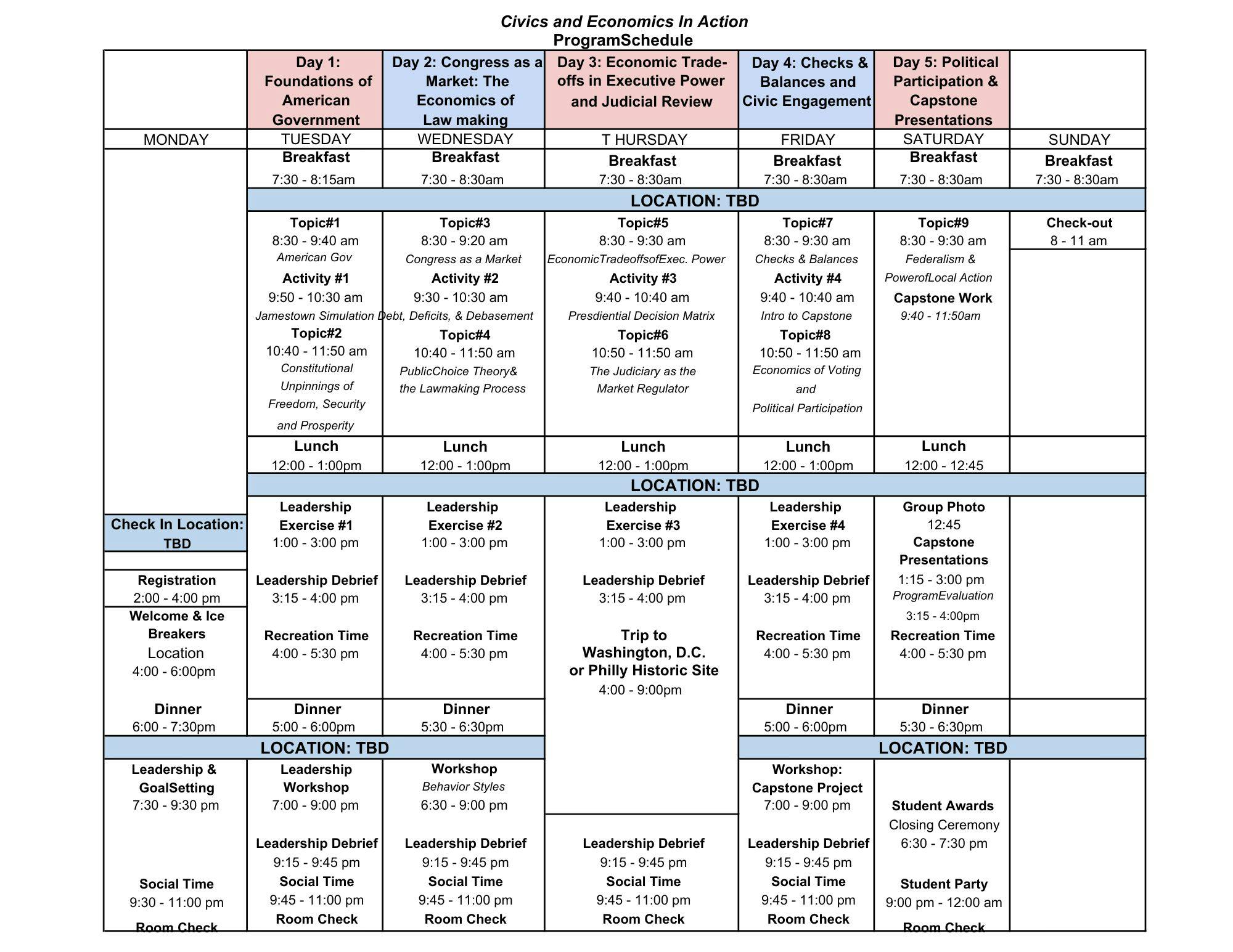
Days combine interactive academic sessions, leadership development activities, and group discussions, with structured evening programming.

Yes, Students live in university residence halls and dine in campus facilities throughout the duration of the program.

No. CEA is nonpartisan. Students learn analytical frameworks for understanding public policy, not advocacy for specific political views.

Tuition is $1900 and including academic instruction, housing, meals, program materials and all scheduled activities. 

Yes! CEA offers generous support of up to 75% tuition discounts through scholarships based on need and merit.